The Dead Don’t Speak is an entertaining read, especially for a late-night goosebump. At 75 pages, it makes for a fun-creepy bedtime story, something to cuddle down into the blankets with to scare the heebiejeebies out of you as you drift off — if you can afterwards!
The story focuses on a young man who has committed a serious and fatal crime, the victim of which begins to haunt him.
The novella unfolds as nearly all dialogue, which makes for a very quick read. That said, the depth of the characters remains somewhat shallow, and at times it is difficult to distinguish who said what, as the protagonist and their tormenter often share a similar voice. Olson’s prose is fairly well done, but the novella as a whole lacks a depth I expect from horror of this gothic-style, reflective genre.
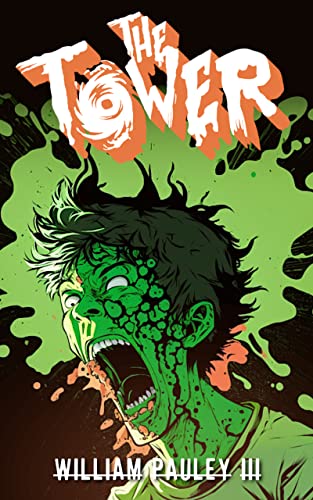
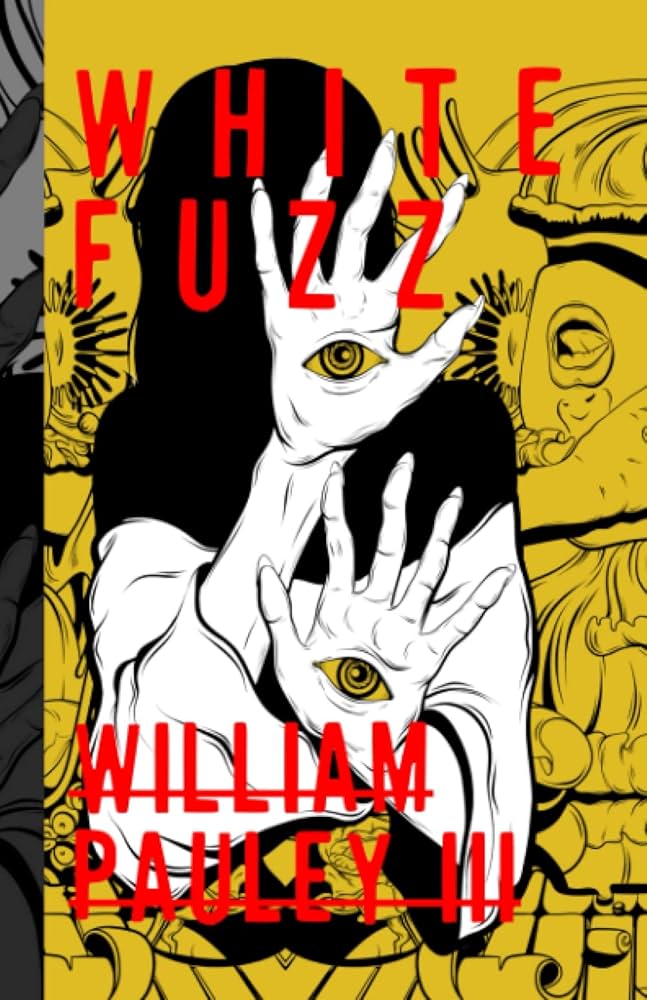
Bizarre is the only word to describe these stories. The Bedlam Bible series, of which The Tower and White Fuzz are the first two novellas, revolve around a residential building in which the residents are trapped. Strange, monstrous things happen to them. They are often themselves the monsters. There is a sense of gothic madness in these tales.
In The Tower, we are introduced to the building, the Eighth Block Tower, where these events occur. The Tower consists of three stories: “Hypanogogia,” “The Invalids”, and “Under Green Brain”, while White Fuzz is its own standalone story.
I hesitate to tell you any more, because it really would ruin the surprise and shock of reading them yourself. Readers who enjoy speculative fiction, horror, or science fiction are likely to enjoy the otherworldliness of these stories. Collectively, they ride the border of horror and science fiction. Readers will find them reminiscent of Kafka and Kavan in that there is an internal insanity at play here. Or, if television is your thing, one might liken them to American Horror Story or particular grotesque version of Black Mirror.
This is one of the weirdest stories I’ve ever read. Weird, but good. Weird and thought provoking. Weird and depressing. The novella is a thought exercise, a what-if-what-would-I-do? immersion activity.
The story is simple enough: after death we go to hell where we discover what the “right” religion was, and where we have to perform a series of tasks to get out of hell. There are rules in hell. And interminable tasks that promise an end, but test the limits of our boredom. Hell is exactly what it sounds like: hell.
In the course of traversing hell, the characters explore what it is to essentially still be alive and somewhat immortal. Just as in life, they find they have to traverse paths they would rather not, navigate ethical dilemmas, and deal with an incredible amount of boredom.
Peck’s prose is deft; with few words he develops the story, builds the claustrophobic, suffocating environment and duly immerses the reader in hell.
It is likely I will think of this book on my deathbed.
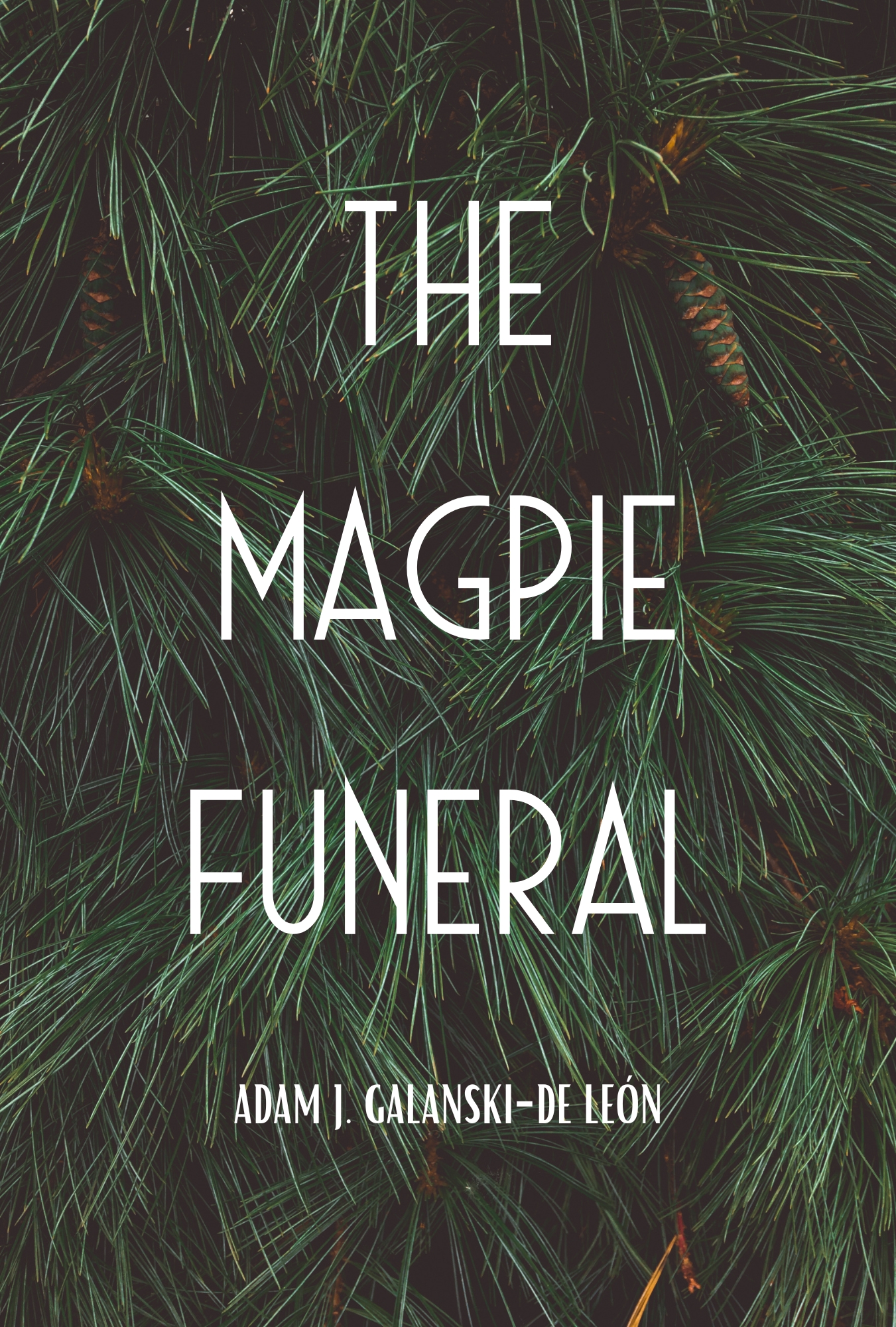
The Magpie Funeral: A Novella by Adam Galanski-De León
A short, but poignant and profoundly moving story about family and the spaces between us that we must navigate, the narratives we tell ourselves and others, the ways in we lose our connections to one another. There are many ways to read The Magpie Funeral, many ways to interpret the events and the silences the characters leave behind.
This is one of the strengths of the novella; its ability to mean different things to different readers.
On its surface, this is a story about a man trying to connect to his heritage, his roots, by seeking out a grandfather who abandoned his family. The man is searching for an answer to some missing piece of his life. This is the story of what he finds and the people he encounters along that path.
This is a very literary novel, one that mimics life and its harsh realities. Readers who seek coziness and comfort should expect to have their hopes dashed. Reader who enjoy realism and the unpredictability of reality will be intrigued by the novella’s turns. Readers who enjoy reflection will encounter a myriad of emotions as the characters — lifelike as they are — are not the perfectly self-aware beings we might wish them to be. Readers will experience some form of loss in reading this book, a performative element of the story itself.
If you’re looking for a creeping, eerie read for the wintry months to come, Freshwater Fire must be on your to-be-read list. Forget Halloween, with its flashy, trashy gore, Mullins’ slim novella, with its sparse and evocative prose, and its fog-shrouded terror, brings out of the deepest of our fears as the decay of winter descends. This is a book to curl up to with candle light when the storm takes out the electricity. Or… maybe, that might just send you over the edge into madness. Read at your own risk, right?
I took this risk on this novella. I usually hesitate to spend money or time on independently published fiction; the gamble so often doesn’t pay off. But Mullins is a talented writer. With very few words, Freshwater Fire summons the smell of decay and manifests humanity’s darkest fears: that we are not alone in this world and worse, we are not as invincible as we would like to believe. Mullins builds a devastating sense of futility that the reader cannot shake off. This is a classic gothic horror.
The tale revolves around a lighthouse and its new keepers, sailors who quickly find the isolation of their task is more than a mental exercise in surviving entrapment. Their fears are more than simply psychological, they are real and monstrous. For readers who enjoy mythology, paranormal elements, and psychological thrillers, Freshwater Fire will deliver a satisfying reward.
The story aside, Mullins’ characters are fleshy, their dialogue and fear is palpable. Their reactions to their circumstances are more than plausible, revealing Mullins’ deep understanding of the human psyche and the lengths we will go, not only to survive but must do to overcome our fears. Terrifying as this novella is, it is also inspiring.
I look forward to Mullins’ other novels! They are on my wish list!




 Dr JoAnn LoSavio