Rough Living by Tokuda Shūsei

Rough Living by Tokuda Shūsei

A poignant — and surprisingly feminist — portrait of a middle class woman’s life in a society that is undergoing massive social change. There is a commentary on gender threading through this novel; expectations of women, their right to agency and control over their bodies, their income, and their freedom of movement are just as visible as the themes around capitalism, labor, and class.

The Birth and Death of the Miracle Man and Other Stories by Albert Wendt

The Birth and Death of the Miracle Man and Other Stories by Albert Wendt
A poignant, reflective collection of stories that transports the reader to Samoa, but not in a touristy, tropical-islands-in-the-suns, superficial kind of way; Wendt’s collection feels like the removal of a veil, so that the reader gets a glimpse of authentic island life. His characters are tangible through their flaws, their peccadilloes, the irony of their decisions. They are the centerpiece of life and of this collection. Here as anywhere else, it is not about the place, but the people.

The Emigrants by George Lamming

The Emigrants by George Lamming

The novel captures the chaos and milieu of England in the 1950s, the journey and arrival of one cohort of the Windrush generation. The flux of characters and unattributed dialogue convey to the reader a palpable sense of the transience and tumult of their migration. Every person one meets on the journey is a stranger and despite the common experience, remains a stranger; no one is sure if the person next to them will survive their time in England, if they will succeed or fail, establish themselves or fade away, stay or succeed enough to return. The characters perform this by never getting close enough to the reader. They never even get close enough to each other to learn their true natures, their true intentions. The reader is only ever treated to a brief interiority of the characters, and some of them barely get a name. Lamming’s prose, via its non-linearity, non-structure, its confusion, and its unease is performative of the atmosphere and history he wants to convey. The reader is meant to be feel the lurch of the ocean, the nausea of arrival, a keen sense of dis-ease and unbelonging in their arrival. It’s a brilliant novel. 

In the Time of the Butterflies by Julia Alvarez

In the Time of the Butterflies by Julia Alvarez

A slow burn that leads to an eruption of inspiration, anger, and heartache. This novel is well-worth the time and emotion it takes to read it. The story revolves around the four Maribal sisters, each of whom, in their various ways, oppose the regime and dictatorship of Rafael Trujillo in the Dominican Republic. The story begins with the death of three of them — no spoiler there as the synopsis announces this event — and weaves around the events that lead to this tragic outcome. As such, the novel spans three decades, from the late 1930s to 1960. It unfolds through the perspective of each of the sisters, each chapter is narrated in a somewhat epistolary style. Embedded in the tale are themes of gendered violence, patriarchy and women’s resistance to it. Content warning: there is abuse, trauma, and sexualized violence, however, Alvarez does not write these events in gory or graphic detail. Indeed, savory events are worded modestly. Alvarez’s allusions and prose shines in these moments; she reveals much via a simple twist of a phrase. Another point of praise is Alvarez’s smooth and expert weaving of history into the plot. A reader does not need to have much preexisting knowledge of the DR’s modern history to make sense of the novel. Simultaneously, Alvarez conveys a stark history lesson to the reader without being pedantic.

Children of a Fireland by Gary Pak

Children of a Fireland by Gary Pak

Pak’s novel captures the reader from the very start, invoking an image of a sleepy, rural Hawai’ian town so palpable that you can almost feel the moist breeze on your skin. I felt like I could insinuate myself into the locals’ street corner conversations, as if I were invisibly there, listening in on every bit of small town gossip. I was entranced from start to finish.

The story is a mystery, that, as it unfolds, creates ruptures in the town’s moral fabric. And that’s what it’s about: small town life, relationships between people, the things that matter and the things that don’t and how we get these things confused. There is also a paranormal twist to the tale, which feels normal and realistic — Pak’s nod to the axiomatic superstitions of island life.

Pnin by Vladimir Nabokov

Pnin by Vladimir Nabokov

Pnin is a hilarious, sad, nostalgic portrait of a man lost in a new era of his life — and lost in a new era of the world. It is a surprisingly short novel (I expected longer). Set in post-WWII America, the novel revolves around Professor Pnin, a Russian social scientist, who, after leaving Russia is reduced to adjunct teaching Russian language courses at a small, liberal arts college. The story swivels through his memories, opportunities missed and some that he probably should have missed. This is a classic character study. Nabokov’s book came first, but if you like John William’s Stoner and Kazuo Ishiguro’s The Remains of the Day then you will probably enjoy Pnin. The prose is similar, though told from a 3rd person perspective; Nabokov’s use of words is concise, precise, and evocative. It has a flaw; merely that it focuses so solely on Pnin, that the other characters, particularly its female characters, are far less developed.

London 2010 – Portobello Street Market &tc.

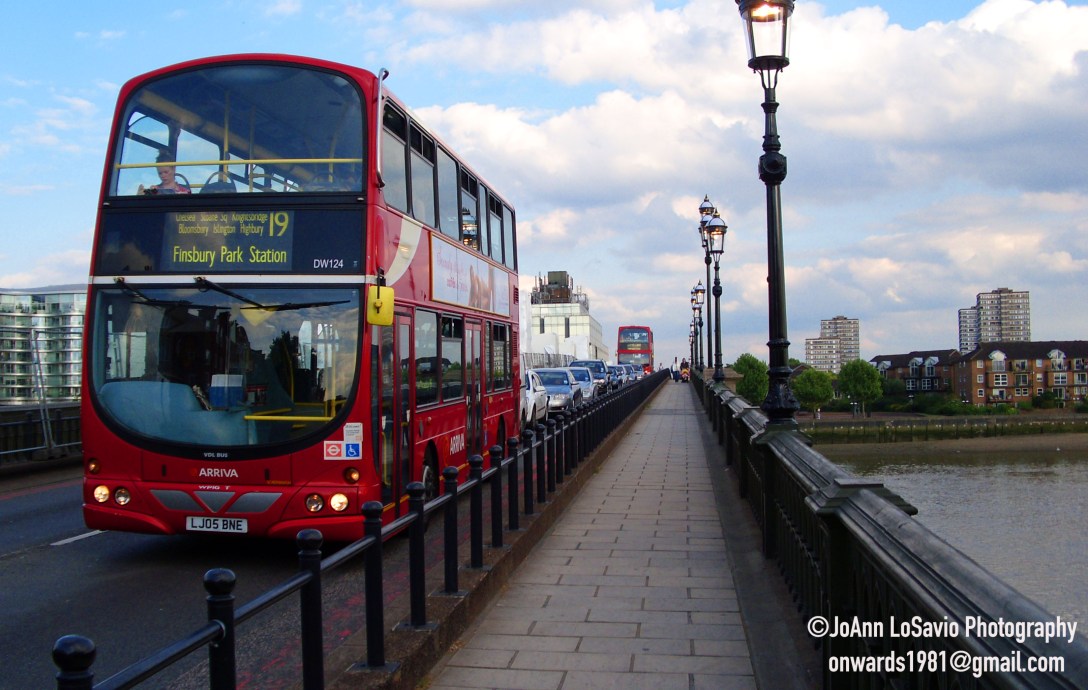
Traveling solo does something to the eyes. It opens them up to things you never noticed before because you were too busy paying attention to another person. In 2010 I got to visit London on my own, and since I didn’t have a lot of money, I spent a lot of time walking around and just looking at things through my camera. Mind you, it wasn’t a great camera either.

Philadelphia, 2006

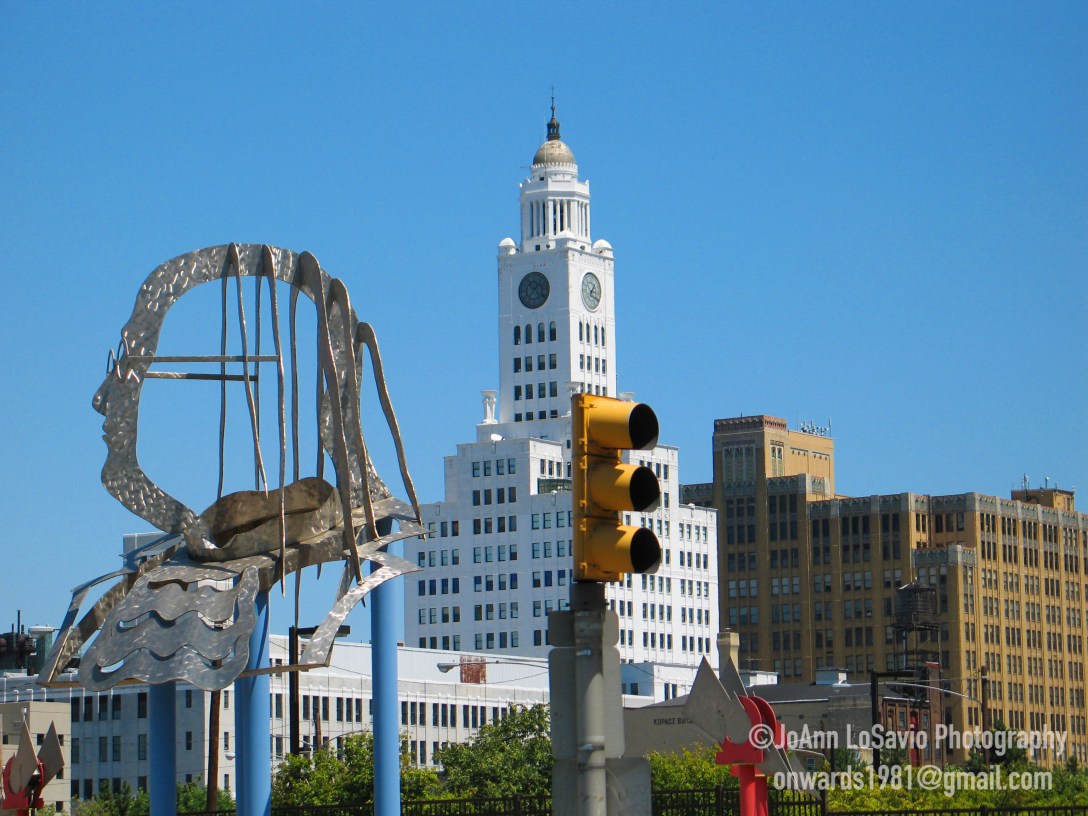
My trip to Philly was only a short one, a couple of days over a long summer weekend in 2006, but it was memorable for a variety of reasons: the unique urban cuisine that’s become representative of American culture, the integrated presence of history into the city landscape, and the charm of a modern city that still feels like a neighborhood. I loved how walkable the city was (compared to Chicago where I was living at the time), how easy it was to see all the sites in one day without having to sit through 45 minutes of constant traffic! I didn’t get to visit all the places I wanted to but I was okay with that, because I liked it so much I know I’m going to go back one day.

Malaysia 2010, 2011, 2013

I have so many hundreds of photos of Malaysia and all things Malaysian: people, food, places, sites, random pictures of stray cats. Here I’ve picked some of my favorites from the past three trips there. They’re from all over Malaysia, some from Penang, some from Melaka, one from Pahang when I was in Kuantan. And of course, Kuala Lumpur.

I visited these places in multiple capacities, as a tourist, as a local, as an anthropologist, as a student, as a photographer. Most of the photos are “found”, none of them were posed or premeditated.

Most of these photos were taken using a really cheap-O point and shoot, or my iPhone 4.

“Children of God” (25:17)

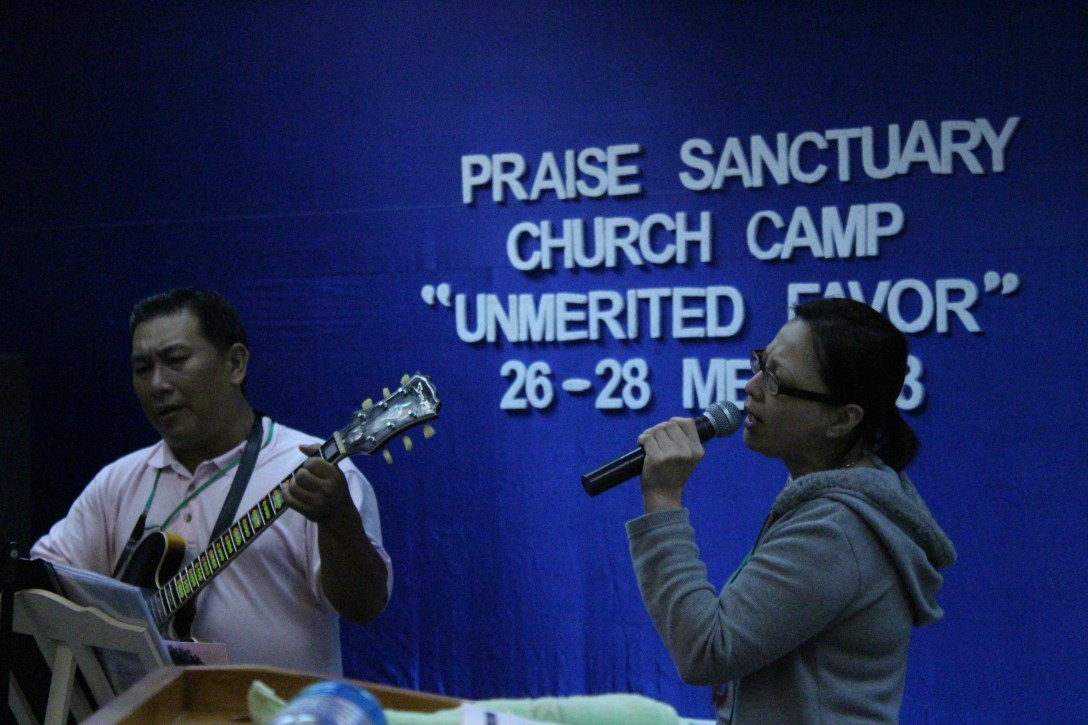
In the Summer of 2013 I did an anthropology pilot study that resulted in the making of “Children of God”, an ethnographic, observational film about a non-denominational Christian church group in Kuala Lumpur, Malaysia. Every year they go on a retreat, as a way to build fellowship and for members of the church to renew their faith.

Here’s my blurb from my Vimeo site: “For a few days every year, the congregation of the Praise Sanctuary Church retreats from the city of Kuala Lumpur (Malaysia) to the nearby seaside resort town of Port Dickson. It is an event; its purposeful itinerary aims to foster fellowship amongst the church members and to allow each to individually convene with God. This short film is about their 2013 annual retreat and the way in which they experience being “God’s children”.”

And here’s the film. Again, comments and feedback are always welcome.